Shanghai has quietly become one of the most sought-after destinations for international medical care in Asia. If you're considering coming here for treatment—whether it's a routine health checkup, dental work, or something more complex—you probably have questions. Is the care good? Will I be understood? How much will it cost? Can I use my insurance?
This guide answers all of those questions and more. Think of it as advice from a friend who knows the Shanghai healthcare system inside and out.
Why Patients Are Choosing Shanghai
Let's start with the numbers, because they tell a compelling story.
Shanghai's public hospitals now receive 73,000+ international patient visits per year, according to the Shanghai Municipal Health Commission (2025). That's not a small pilot program—that's a well-established, growing system designed to serve people from around the world.
Here's what that looks like in practice:
- 23 public hospitals now operate dedicated international medical services (Source: Shanghai International Service Portal)
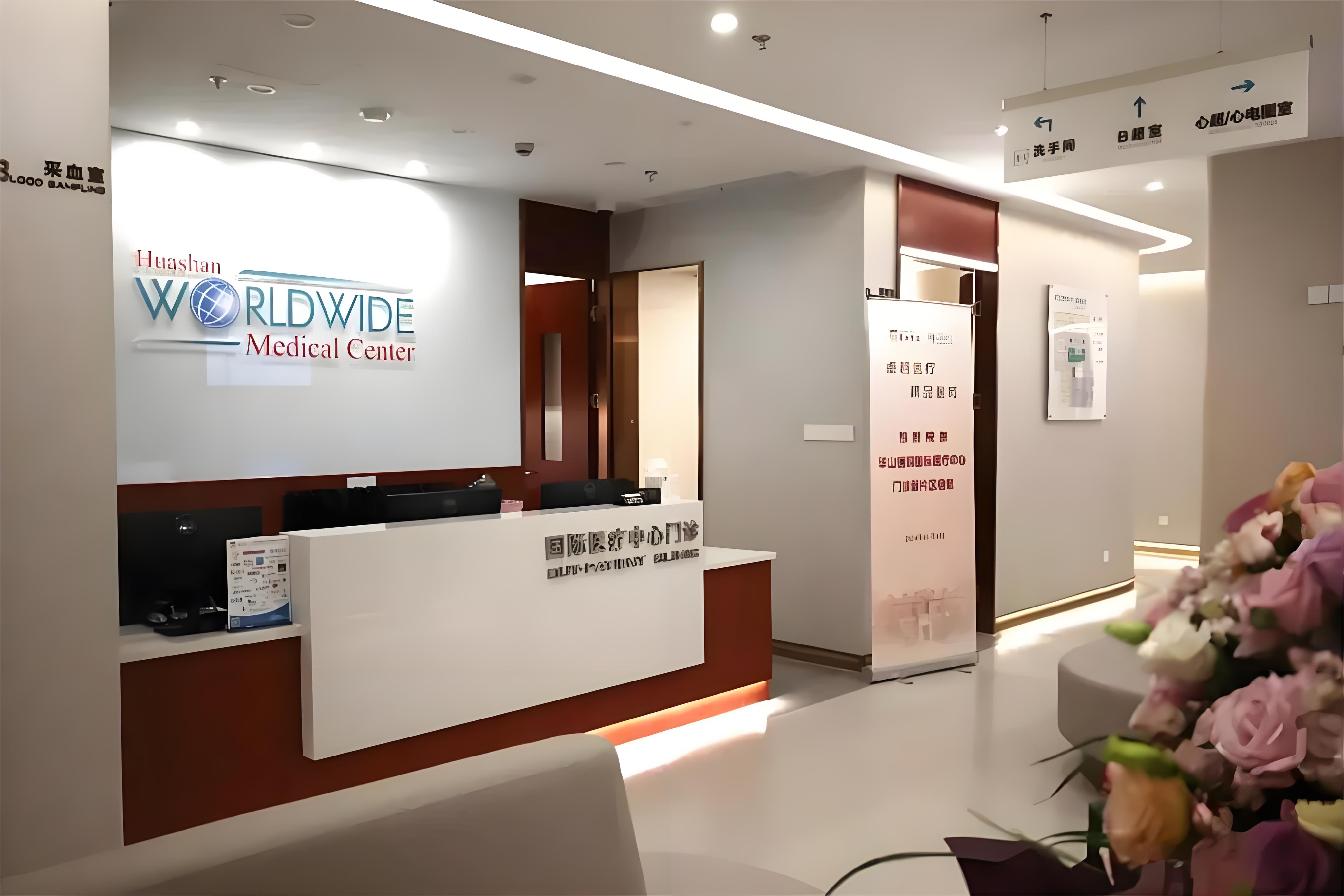
- International medical centers serve patients from 90+ nationalities (Source: Huashan Hospital International Medical Center, 2025)
- The number of international patients has grown by 25% year-over-year (Source: Shanghai Municipal Health Commission, 2024)
Public vs. International Hospitals: What's the Difference?
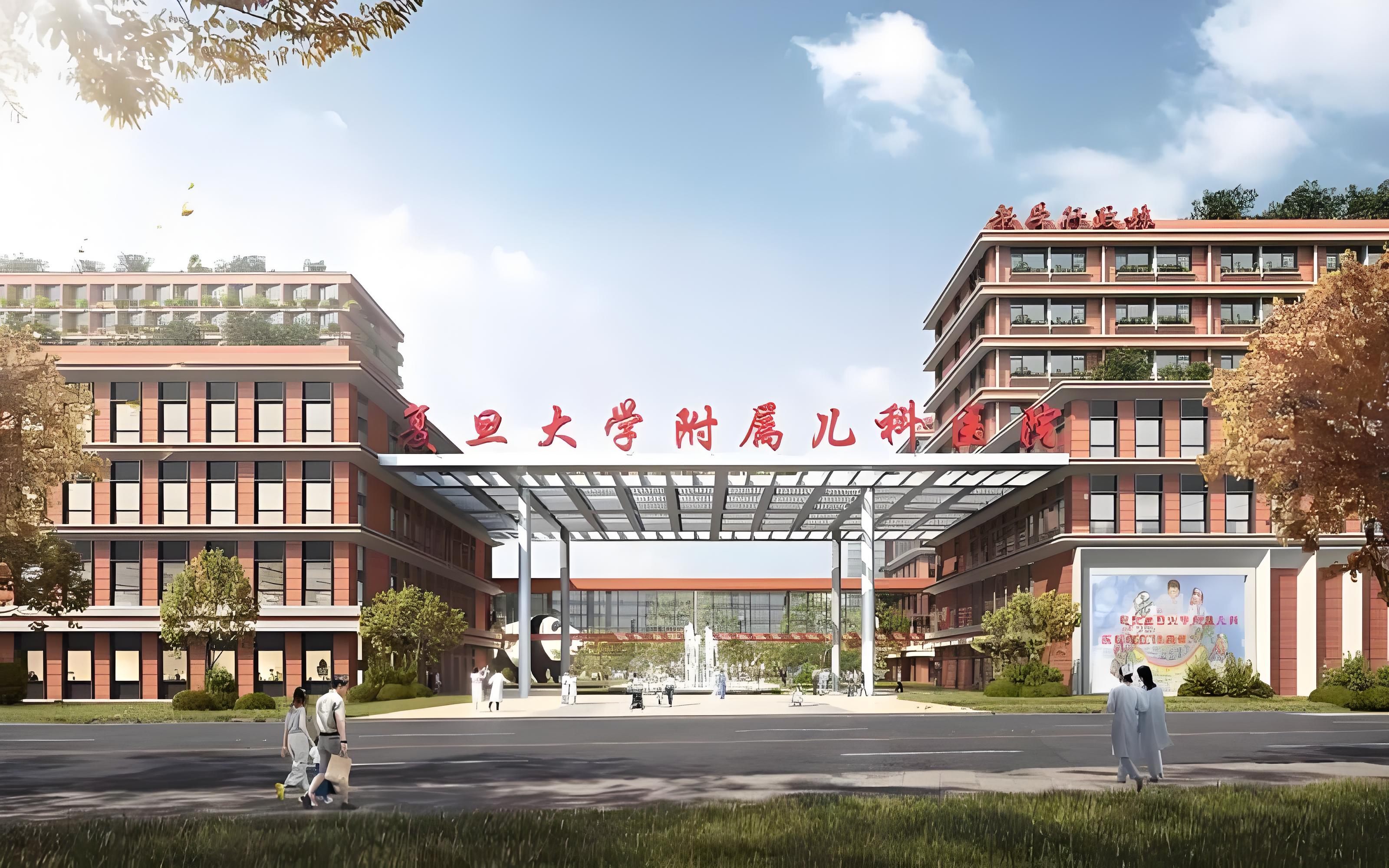
A critical difference from the West: If you're from the US or Europe, you probably assume private hospitals deliver the best care. In China, that's not the case. China's top-tier medical institutions are public Grade 3A hospitals—the country's most experienced specialists, most advanced equipment, and deepest expertise in complex cases are concentrated there.
Think of it this way: in the US, the best hospitals are private (Mayo Clinic, Cleveland Clinic); in China, the best hospitals are public. This is a fundamental difference that shapes the entire healthcare landscape, and understanding it will help you make better decisions about your care.
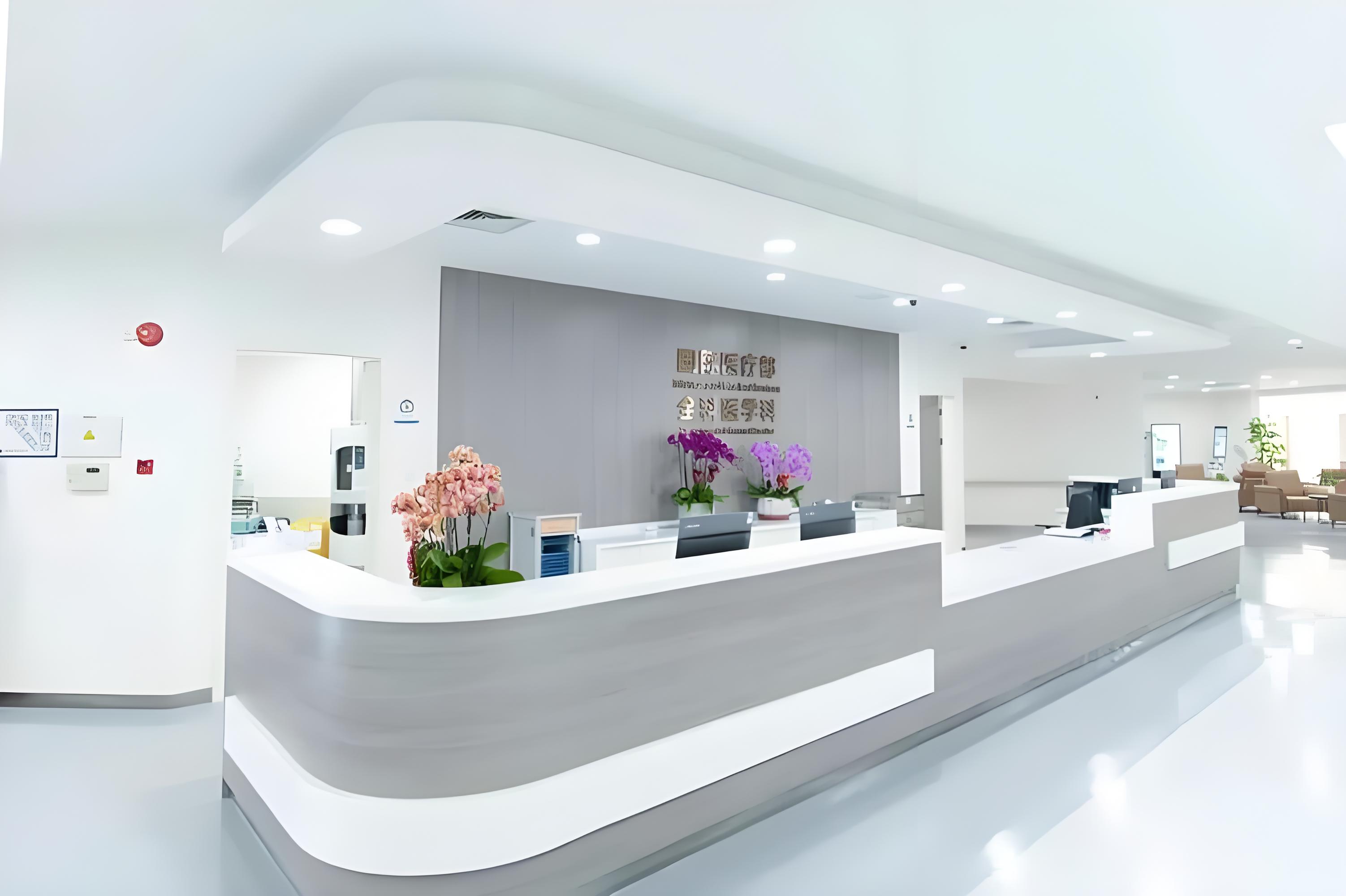
Shanghai offers two main pathways for international patients: public hospital international departments and private international hospitals. Each has distinct advantages.
Public Hospital International Departments
Advantages:- Access to China's top specialists and subspecialists—these are the physicians other doctors refer their most complex cases to
- The most advanced medical equipment in the country, backed by substantial government investment (PET-MRI, da Vinci surgical systems, proton therapy, and other cutting-edge technology are typically deployed at major public hospitals first)
- Affiliated with leading academic medical centers with extensive research capabilities
- More affordable than private international hospitals
- Comprehensive diagnostic capabilities with on-site laboratories and multi-disciplinary specialist teams
- Busier environment, though international departments have dedicated staff and separate waiting areas
- English-speaking coordinators are available in international departments, but the broader hospital environment operates primarily in Chinese
Private International Hospitals
Advantages:- Premium hotel-like environment with private rooms
- English-speaking staff and coordinators available at international patient departments; English proficiency varies by department and individual staff member
- Longer consultation times with more detailed, patient-centered communication
- Appointments available quickly for most services
- Comprehensive services under one roof (consultations, diagnostics, pharmacy, dental)
- Higher costs than public hospital international departments
- For highly complex cases, specialists may refer to public hospital colleagues
- Some insurance companies classify certain private hospitals as High Cost Providers (HCP) or "expensive medical facilities". Depending on your insurance plan, visits to HCP-listed hospitals may require a 20% copay—while the same treatment at non-HCP facilities would be covered in full. This is worth checking before you commit to a facility.
Many international patients use a combination of both: complex treatment at public hospital international departments where top specialists and advanced equipment are concentrated, routine follow-ups and preventive care at private international clinics where the experience is more comfortable.
Typical Medical Costs: A Real Comparison
One of the most common questions: "How much will it cost?" Here's a comparison of typical costs in Shanghai versus the United States and Europe for common procedures.
| Service | Shanghai (USD) | United States (USD) | Europe (EUR) |
|---|---|---|---|
| Dental Cleaning | $50–$100 | $100–$250 | €80–€180 |
| Dental Crown | $500–$1,200 | $1,000–$3,500 | €800–€2,000 |
| Appendectomy (simple) | $3,000–$6,000 | $15,000–$40,000 | €8,000–€20,000 |
| Knee Replacement | $12,000–$20,000 | $40,000–$80,000 | €15,000–€35,000 |
| Cataract Surgery (per eye) | $1,500–$3,500 | $3,500–$7,000 | €2,500–€6,000 |
| Heart Bypass (CABG) | $25,000–$45,000 | $100,000–$200,000 | €30,000–€80,000 |
The savings are substantial, but remember to factor in travel, accommodation, and any costs your insurance won't cover.
English-Speaking Services: Will You Be Understood?
This is often the biggest concern for international patients, and understandably so. The good news: Shanghai's international healthcare system has invested heavily in communication infrastructure.
Dedicated international departments at major public hospitals employ bilingual coordinators who assist with everything from appointment booking to explaining treatment plans. These coordinators often have medical backgrounds or specialized training. While the coordinators bridge the language gap effectively, the overall English environment in public hospitals is not as seamless as in private facilities—the broader hospital operates primarily in Chinese, and you may encounter staff outside the international department who speak limited English. Private international hospitals generally offer stronger English-language support, with English-speaking reception, nursing staff, and physicians at their international departments. However, English proficiency can still vary by individual staff member and department. Consultations tend to be longer and more detailed, with physicians taking extra time to explain conditions and treatment options.Insurance Acceptance: Can You Use Your Plan?
Many international patients wonder whether their health insurance will work in Shanghai. The answer is increasingly yes.
Direct billing is available at both public hospital international departments and private international hospitals in Shanghai—the process is equally smooth at both types of facilities. The hospital bills your insurance company directly; you pay only what your plan doesn't cover. Private international hospitals currently have the most extensive direct billing networks, though major public hospital international departments are rapidly expanding their insurance partnerships. Watch out for the "expensive medical facility" classification. Some private hospitals are categorized by insurers as High Cost Providers (HCPs) or "expensive medical facilities". If your insurance plan includes HCP coverage, treatment at these facilities is typically covered in full. However, many plans offer a lower-premium option with a 20% copay at HCPs—meaning you pay 20% out-of-pocket at these facilities while receiving 100% coverage elsewhere. This is the most popular plan choice among expats in China (84% opt for some form of HCP copay to reduce premiums). Check your specific plan details before committing to a facility. Major international insurance providers accepted in Shanghai include:- MSH International
- Bupa Global
- Cigna Global
- Aetna International
- AXA Partners / ICBC-AXA
- Allianz Care
- Now Health International
- Prudential
- AIA
- Cigna & CMB
- Ping An Health
- Pacific Prime
- International SOS
- GeoBlue
- Seven Corners
- IMG
- Contact your insurance company to confirm your coverage is valid in mainland China
- Ask whether direct billing is available at your chosen hospital
- Request a pre-authorization if your plan requires it
- Bring your insurance card and any relevant documentation
- Understand your deductible and copay obligations
Making Payments in Shanghai
Paying for healthcare—and everything else—in China has become dramatically easier for international visitors. If you visited even a few years ago and struggled with cash-only situations, you'll find a very different landscape today.
Mobile payments now accept foreign cards. Both Alipay and WeChat Pay allow you to bind international Visa, Mastercard, and other foreign credit/debit cards. Once linked, you can pay for medical services, pharmacy purchases, transportation, and daily expenses just like a local—with a few taps on your phone. The setup takes about 5 minutes and requires just your passport and card details. 36 overseas e-wallets work directly in China. Through the People's Bank of China's cross-border payment integration, e-wallets from countries including Malaysia (Touch'n Go), South Korea (Kakao Pay), Hong Kong (AlipayHK), Thailand (TrueMoney), and many others can be used at merchants across Shanghai without needing a separate Chinese payment account. International credit cards at hospitals. Many large hospitals accept international credit cards (Visa, Mastercard) at their international patient departments, though acceptance varies by hospital and department. Confirm payment options with your hospital before treatment. Small transactions are fee-free. For transactions under ¥200 (approximately $28), no additional currency conversion fees are charged—making pharmacy runs, meals, and transportation payments hassle-free. Practical tips for medical payments:- Set up Alipay or WeChat Pay with your foreign card before arriving—you'll use it for everything from taxis to hospital copays
- Large hospitals accept international credit cards at their international departments
- Keep digital receipts for insurance claims
- Most international clinics provide itemized invoices in English for reimbursement purposes
Travel and Visa Considerations
Getting to Shanghai and navigating entry requirements is simpler than you might expect.
For health checkups, dental care, TCM, ordinary outpatient consultations, follow-ups, and second opinions, a tourist (L) visa or an applicable visa-free entry policy may be appropriate.
The 240-Hour Visa-Free Transit covers eligible citizens of 57 countries who meet all transit conditions. It allows up to 240 hours (10 days) and can be suitable for a compliant short-stay itinerary involving:- A short health checkup or dental appointment
- An ordinary outpatient consultation or second opinion
- A follow-up visit that does not involve planned admission
China has no standalone “Medical Visa” letter category, and the M visa is for business/trade. For planned surgery, hospital admission, or treatment requiring admission, the relevant route is an S2 (Short-term Private Affairs) visa for medical treatment, supported by the treating hospital's invitation letter, admission notice, or proof of proposed admission. Core application documents typically include:
- Hospital invitation/admission documentation
- Required proof of financial means
- Valid passport
- Completed visa application
Getting to Shanghai is convenient—Pudong International Airport (PVG) and Hongqiao International Airport (SHA) connect to most major cities worldwide. Many international patients fly in, attend an outpatient appointment, and fly out the same or next day, or arrange accommodation for longer treatment plans.
Accommodation near major hospitals ranges from budget options to luxury hotels and serviced apartments. International hospitals often have partnerships with nearby accommodations for patient families.
The Scale of International Care: The Numbers Again
Let's return to those numbers, because they matter.
With 73,000+ international patient visits annually across Shanghai's public hospitals, you're not entering an experimental system—you're joining a well-established network that has served patients from 90+ nationalities. The 25% year-over-year growth demonstrates that international patients are satisfied enough to recommend Shanghai to others, and that the system continues to invest in improving foreign patient services.
This isn't a niche offering. It's a core part of how Shanghai's healthcare system operates today.
How to Plan Your Medical Trip to Shanghai
Planning medical travel to another country can feel overwhelming—matching your condition to the right hospital, navigating insurance, arranging appointments, and coordinating travel logistics. The good news? You don't have to figure it out alone.
A typical medical trip to Shanghai involves:- Identifying the right hospital and specialist for your condition
- Confirming insurance coverage or self-pay costs before you travel
- Scheduling appointments and requesting cost estimates
- Arranging the correct entry route, travel, and accommodation—an L visa or applicable visa-free entry for eligible outpatient visits, 240-hour transit only for qualifying short visits, or S2 for planned surgery/admission
- Receiving treatment with coordinated language support (English-speaking staff availability varies by hospital and department; professional medical interpretation can be arranged)
- Follow-up care, including English reports and telemedicine options
- WhatsApp: Message us on +86 13818274110
- AI Assistant: Chat with our AI medical navigator for answers anytime
Your health journey starts with a single step. We're here to help you take it.
This article is for informational purposes and does not constitute medical advice. Always consult with qualified healthcare professionals regarding your medical decisions.